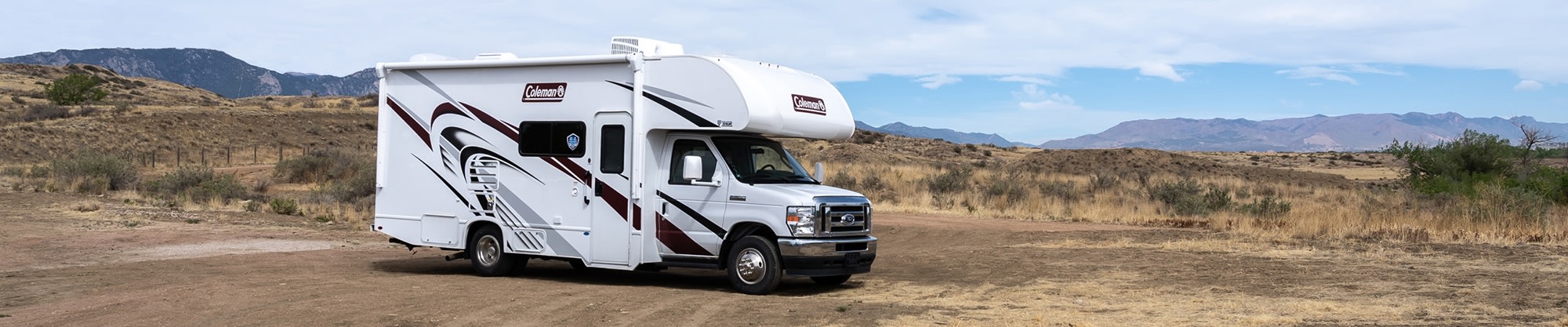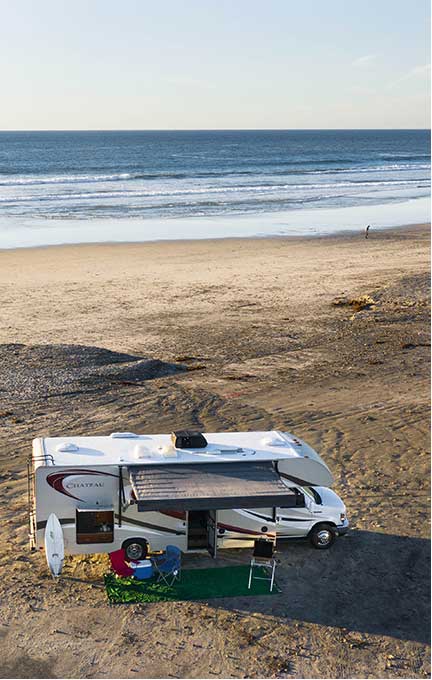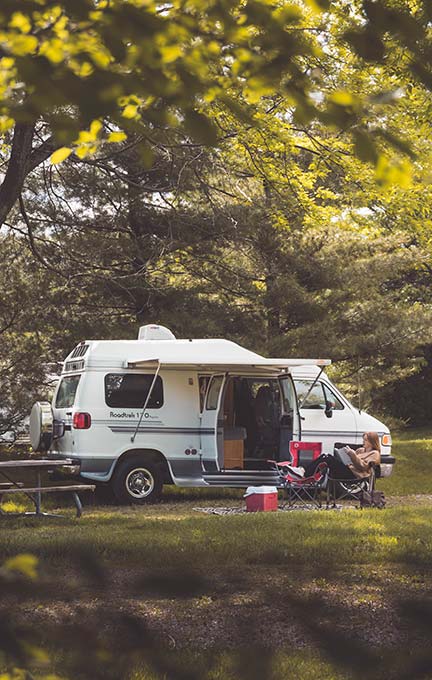



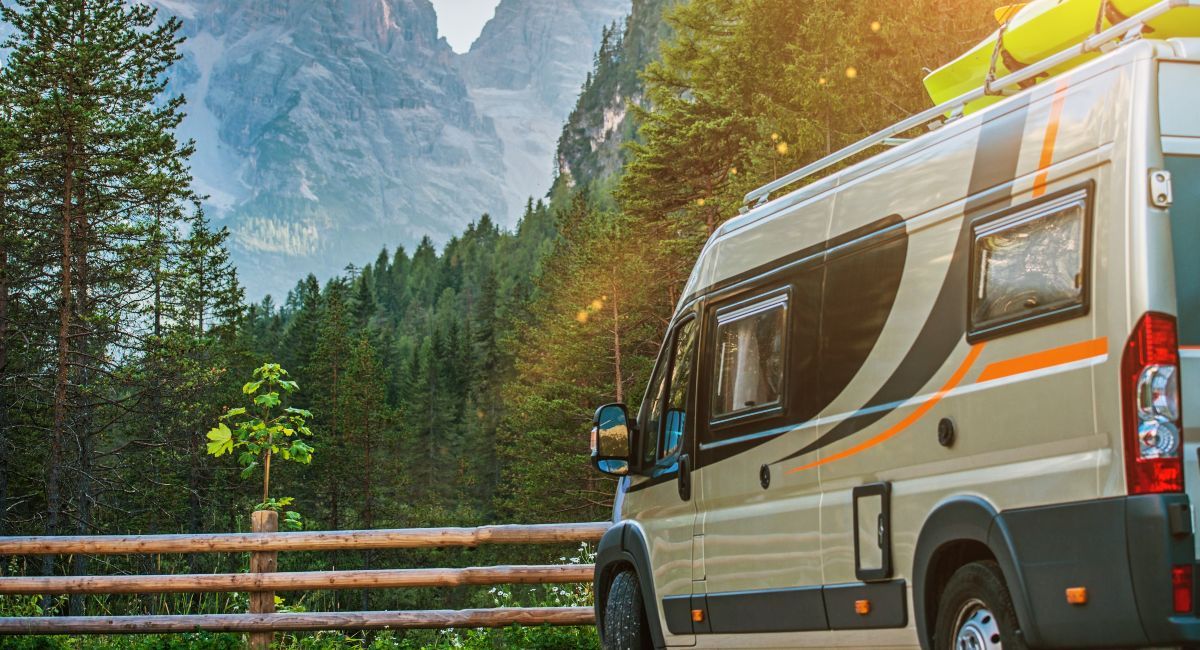
A Class B campervan is the smallest, nimblest rig in the motorhome family — a van you can sleep in, cook in, and still park at the trailhead and the grocery store. A Class B RV rental is how most people try van life without buying in, and for the right trip it's the sweet spot of freedom and simplicity. The trick is knowing when a van fits your group perfectly — and when you should size up. This guide walks through both, honestly.
The quick version
- A Class B is the camper van: 18 to 24 feet, sleeps 2 to 3, and it's the easiest RV to drive and park.
- Rentals run roughly $100 to $175 a night, with the best fuel economy of any motorhome at 18 to 22 MPG.
- Ideal for couples, solo travelers, weekend trips, and anywhere parking is tight.
- The catch: little standing and storage room, often a wet bath or none, and tight quarters for more than two.
- Traveling as a family of four? Size up to a Class C — we'll show you where the line is.
Picking a campervan is about matching the rig to how you actually travel. Let's break it down.
What is a Class B campervan?

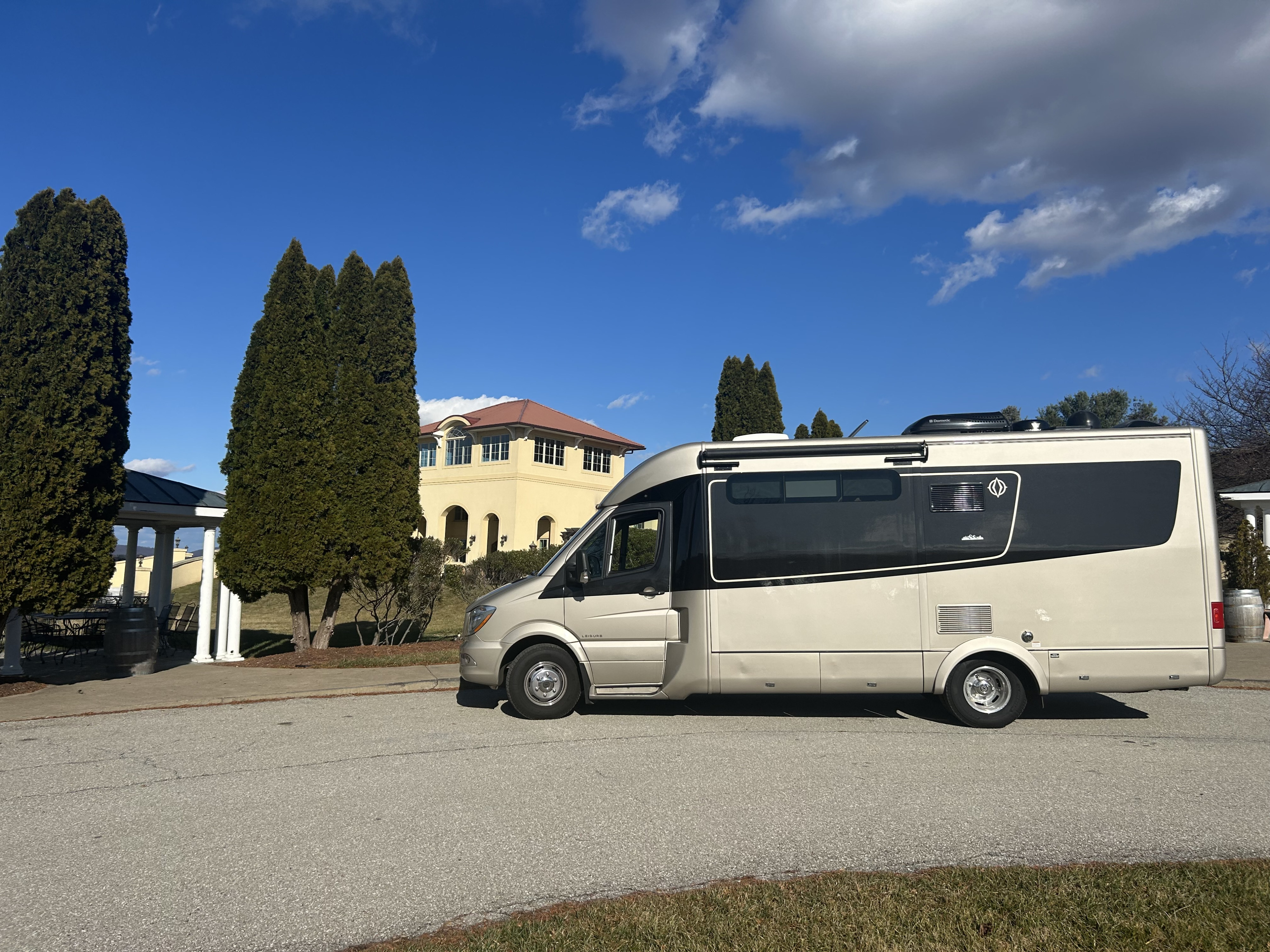
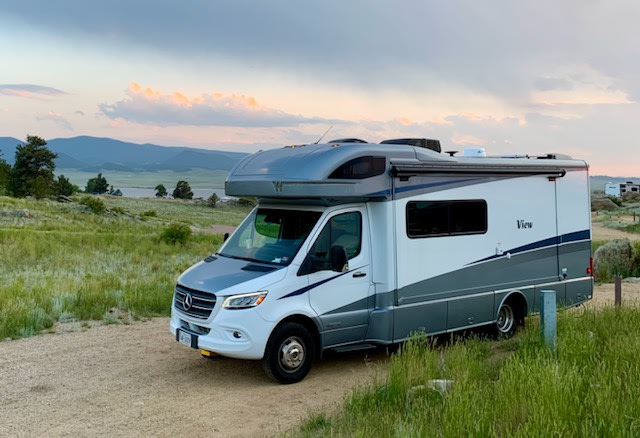
A Class B is the most compact motorhome — a van-based rig, 18 to 24 feet long, that drives and parks like a large van while packing a bed, a small kitchen, and often a wet bath into the back (Outdoorsy).
Unlike the big bus-style Class A or the over-cab Class C, a camper van keeps the original van footprint, so it fits a normal parking spot and slips down roads that would stress a bigger rig. Renters call these "vans," "campervans," or "sprinters," and that's the mindset to bring: you're renting maneuverability and simplicity, not square footage. Modern camper vans like the models on Winnebago's Class B lineup pack a bed, galley, and often a wet bath into that compact footprint. Outdoorsy hosts list both purpose-built camper vans and custom conversion vans, so there's real variety inside the class.
How much does it cost to rent a Class B — and what's the fuel like?
Expect roughly $100 to $175 per night for a Class B rental, per Outdoorsy's class comparison, with the best fuel economy of any motorhome — about 18 to 22 MPG for popular models like the Winnebago Travato (Lazydays).
That combination is the campervan's quiet superpower: it's the cheapest motorhome to move down the road, and it fits where fuel and parking are expensive. A week-long trip in a van sipping 20 MPG costs a fraction of the same miles in a Class A at 8 MPG. In our experience, the couples who rent a Class B for a first trip rarely wish they'd gone bigger — they wish they'd booked an extra night.
The rest of the budget
Beyond the nightly rate and modest fuel, budget for campground or overnight-parking fees, a security deposit, and any mileage cap on the listing. Because the van itself is efficient and easy to place, the total trip cost usually lands well below what a larger rig runs.
How many people can actually sleep in a Class B?
Comfortably two; three at a squeeze. Most Class B rigs sleep 2 to 3 using a fixed or convertible rear bed, and occasionally a pop-top adds a second sleeping berth — the Winnebago Solis pop-top, for example, is built to sleep two.
The number on the listing and the reality of a good night's sleep aren't always the same. Two adults get a genuine bedroom; add a third person or a dog and the van fills quickly, with gear competing for the same space. That's not a flaw — it's the deal you make for a rig that parks anywhere. Just match the sleeping count to the people honestly before you book.
Class B vs Class C: when should you size up?
Size up to a Class C once you're traveling with kids or you need a separate bed and a real bathroom. A Class C stays reasonably drivable while adding the space a van can't.
We've watched families of four try to make a campervan work and wish they'd sized up — the over-cab bunk and separate bathroom of a Class C are usually worth the extra fuel once kids are in the mix. Winnebago's compact Class C vs. Class B comparison walks through the same tradeoff from an owner's seat.

Who is a Class B campervan best for?
A Class B is best for couples, solo travelers, weekenders, and anyone driving tight city streets or narrow trailhead roads. If your trip is about mobility and simplicity rather than living space, the van wins.
The people who love camper vans most are the ones who value getting there over sprawling out once they arrive — chasing surf, hitting multiple trailheads in a week, or road-tripping a coastline where parking is scarce. Renters we talk to who base in cities pick a van specifically so they can park at the trailhead and the grocery store, then sleep at the beach. A campervan rental in San Francisco is a classic example — tight streets, big scenery, and a rig that handles both.
What should you check before you book a campervan?
Before you book, confirm three things: the exact bathroom setup, the honest sleeping count, and whether the van has the amenities you're picturing. Listings vary widely inside the Class B label.
Some camper vans have a full wet bath, some have a portable or cassette toilet, and some have none — so if a bathroom matters, verify it rather than assume. Check whether the "kitchen" is an indoor galley or an outdoor tailgate setup, whether there's a house battery and solar for off-grid nights, and how the bed converts. RVers we hear from who read the listing carefully — and message the host with questions — almost never get an unwelcome surprise at pickup.
Ready to roll? Browse Class B RV rentals from local hosts and find the van that fits your adventure. Find what moves you.
About this guide
We compile our Outdoorsy guides from verified sources — for this one, published RV manufacturer and dealer data on van dimensions, fuel economy, and pricing, plus our own class-comparison research — alongside conversations with Outdoorsy hosts and renters who book camper vans, and well-traveled patterns in the RV community. Rental rates, MPG, and layouts reflect public information current at publication and vary by model and host; always confirm the specifics with the host before booking.