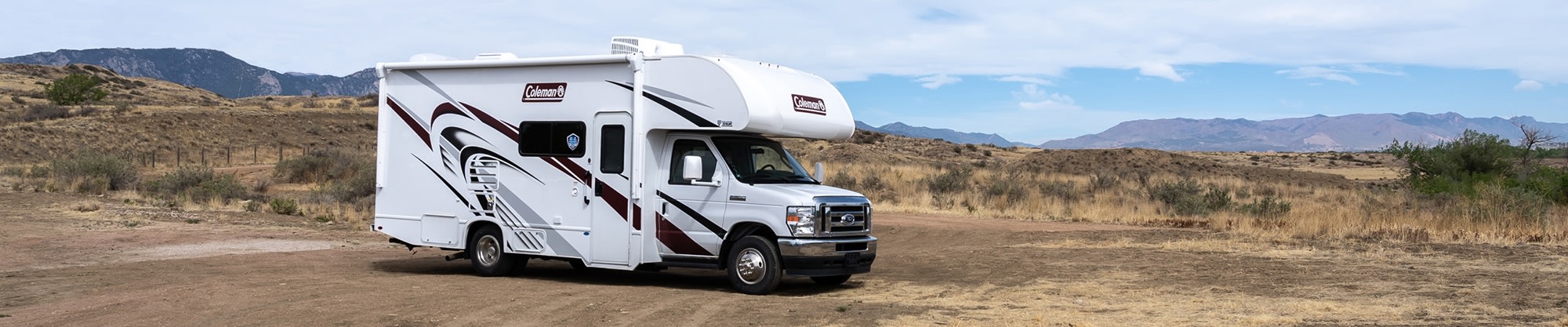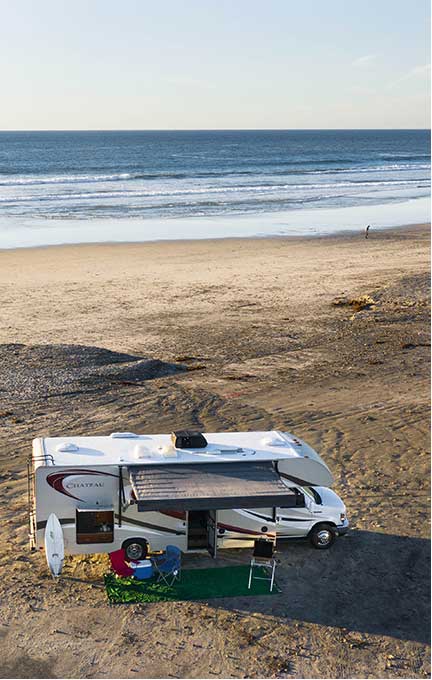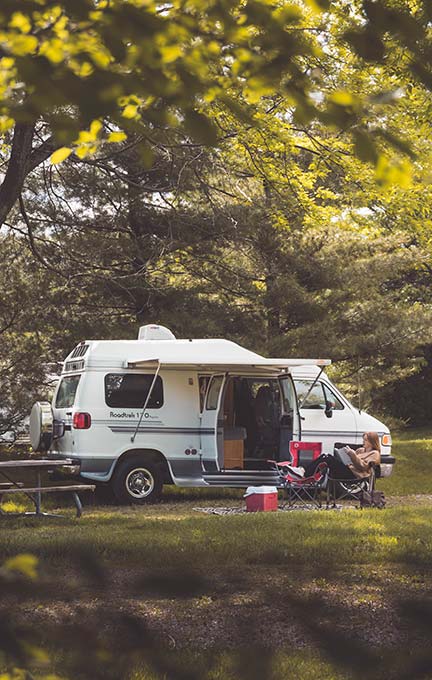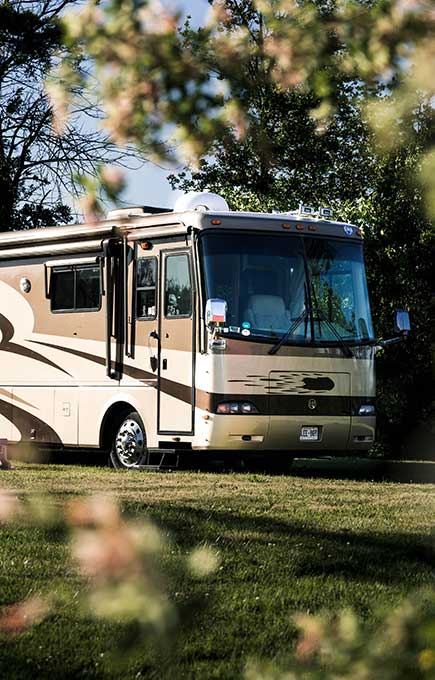



A Class A motorhome rental gets you the biggest, most comfortable rig on the road — the bus-style coach with a full kitchen, a real bathroom, and room to spread out. It also gets you the highest nightly rate and the thirstiest fuel tank of any RV. So the honest question isn't whether a Class A is nice. It's whether the luxury is worth it for your group and your trip — and this guide gives you a clear answer rather than a sales pitch.
The quick version
- A Class A is the largest motorhome: 26 to 45 feet, sleeps 6 to 10, with the most living space and amenities of any class.
- Rentals run roughly $225 to $400 a night; the catch is fuel economy at 6 to 10 MPG.
- Worth it for large groups, long trips, and drivers comfortable with a big rig based in campgrounds.
- Skip it for a couple, a weekend, or tight national-park roads — a Class C or Class B usually fits better.
- Renting first is the cheapest way to test one before a $60,000 to $600,000 purchase.
Choosing an RV class is really about matching the rig to the trip. Let's break it down.
What is a Class A motorhome, exactly?
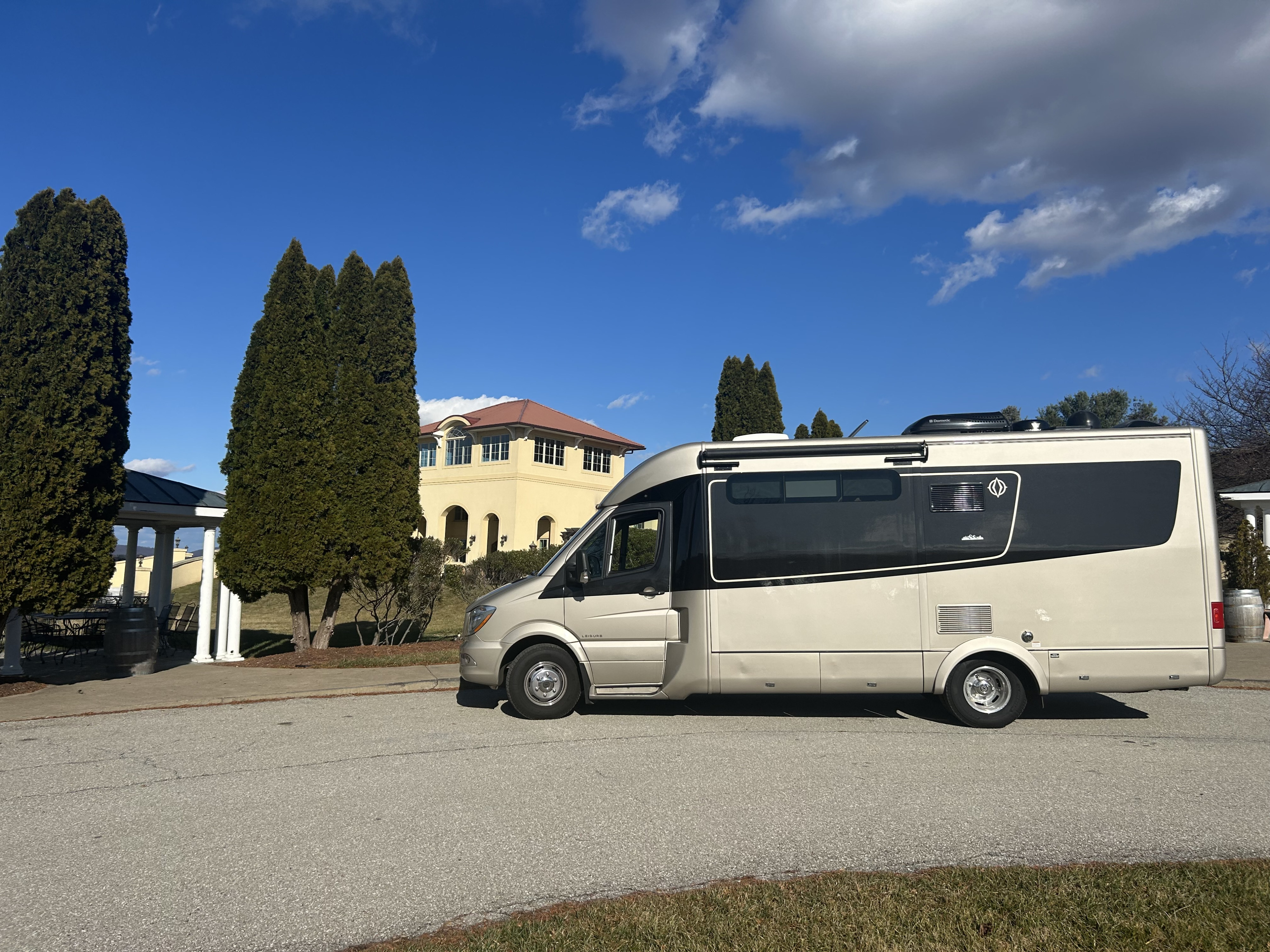
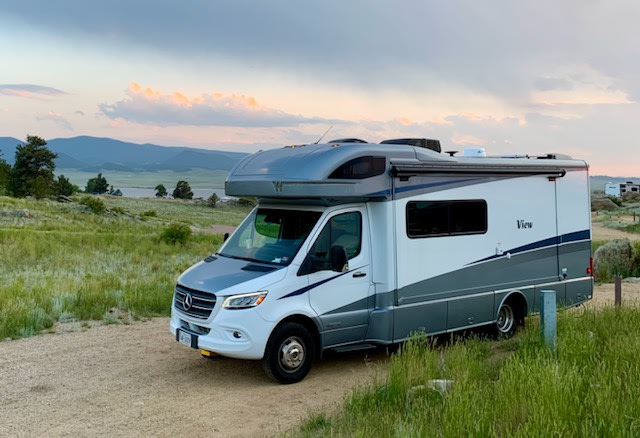
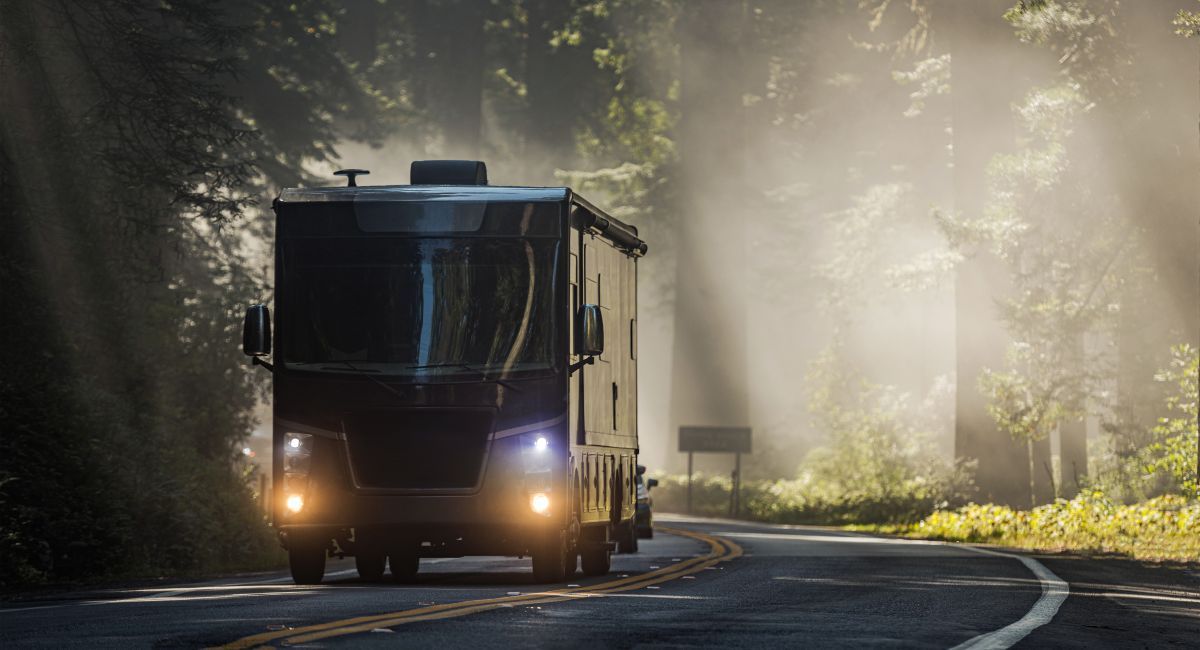
A Class A is the largest motorhome class — a 26 to 45 foot coach built on a heavy-duty chassis, sleeping 6 to 10 people with a full kitchen, a full bathroom, and often multiple slide-outs that widen the living space at camp (length per Lazydays; sleeping capacity per Outdoorsy).
Picture the flat-fronted "tour bus" shape and you've got it. Inside, a Class A feels the most like an apartment: residential furniture, a king-size bed in higher-end coaches, real counter space, and storage bays underneath for everything a big group brings. That living space is the whole reason to rent one — and the reason it costs what it does to move down the road.
How much does it cost to rent a Class A — and to fuel one?
Expect roughly $225 to $400 per night to rent a Class A, plus fuel at 6 to 10 MPG — the single biggest running cost and the number most first-timers underestimate (Outdoorsy; Lazydays).
Do the fuel math before you book. A 1,000-mile week in a 40-footer getting 8 MPG burns about 125 gallons — real money on top of the nightly rate, campground fees, and any generator use. We've watched first-timers underestimate the fuel bill on a big coach more than any other cost, so we'd rather you see it up front. For a full breakdown of nightly rates across the classes, our RV rental prices guide lays them side by side.
The other trip costs
Beyond fuel and the nightly rate, budget for campground reservations (a big rig needs a long, level site), possible mileage or generator fees, and a security deposit. None of these are dealbreakers — they're just the difference between a sticker price and the real trip cost.
Class A vs Class C vs Class B: what are you really trading?
As you move up from a camper van to a Class C to a Class A, you trade fuel economy and easy parking for living space and amenities. There's no "best" class — only the one that matches your group size and driving comfort.
The Class A wins on space and loses on economy and nimbleness — which is exactly why the right choice depends on the trip, not the spec sheet. For a deeper look at how the two biggest options differ behind the wheel, Winnebago's Class A vs Class C breakdown is a useful outside read.

Who should rent a Class A — and who should skip it?
Rent a Class A when you're traveling as a group of six or more, staying a week or longer, and basing out of campgrounds with room for a big rig. Skip it for a couple, a quick weekend, or a trip built around tight, winding park roads.
In our experience, the renters happiest in a Class A are the bigger groups — extended family reunions, multi-family trips, snowbirds settling in for a month — where the extra beds and living space earn their keep every day. The renters who regret it are usually two people who could have taken a nimbler rig, or anyone planning to thread narrow mountain roads and small overlooks daily. Many national-park campgrounds also cap RV length, so a 40-footer can quietly rule out the exact sites you wanted — a tradeoff renters we hear from often discover only after they've booked.
Is a Class A hard to drive for a first-timer?
A Class A drives more like a bus than a car, but many renters get comfortable quickly with careful route planning and a slow, deliberate first hour. Height, width, and tail swing are the things to respect — not speed.
The learning curve is real but short: mirrors become your best friend, you plan fuel stops you can actually pull into, and you avoid low clearances and tight urban cores. Most rentals don't require a special license for a standard Class A, though rules vary by state and by the coach's weight and length — in California, for example, a motorhome over 40 feet requires a noncommercial Class B license with a house car endorsement — so confirm before you book. On Outdoorsy, you must also be at least 25 to rent a Class A. If a big rig feels like too much for a first trip, that's useful information — plenty of first-time renters step down to a more manageable Class C, or a Class B camper van for a couple, and never regret it.
Should you rent a Class A before buying one?
Yes — renting a Class A for a week is the cheapest way to test the size, the fuel bill, and the handling before committing to a $60,000 to $600,000 purchase (Transwest).
A Class A is one of the largest discretionary purchases most people ever consider, and the showroom can't tell you how it feels to fuel it, park it, and live in it for seven days. Renters we talk to who rented before buying almost always say it saved them from an expensive mistake — either confirming the class fit their life or revealing that a Class C did the job for less. Browse Class A rentals from local hosts, or start where trips often launch with a Class A rental in Las Vegas, and treat the week as the best research you can buy.
Ready to try one? Browse Class A RV rentals near you and see whether the space earns its keep for your trip. Find what moves you.
About this guide
We compile our Outdoorsy guides from verified sources — for this one, published RV manufacturer and dealer data on motorhome dimensions, fuel economy, and pricing, plus our own class-comparison research — alongside conversations with Outdoorsy hosts and renters who book these rigs, and well-traveled patterns in the RV community. Rental rates, MPG, and purchase prices reflect public information current at publication and vary by model, season, and location; always confirm specifics with the host before booking.