
TL;DR: Is Yosemite a good fit for families?
Yosemite is one of the best national parks for a family RV trip — granite walls, waterfalls, giant sequoias, and 13 campgrounds spread across different elevations. The catch: no campground in the park has hookups of any kind. Every site is dry camping. RV length limits range from 24 to 40 feet depending on the campground, and reservations for the most popular Valley sites open 5 months in advance and sell out within minutes.
- Best campground for families with RVs: Upper Pines — 236 sites, year-round, dump station, walking distance to kid-friendly trails and the Valley shuttle
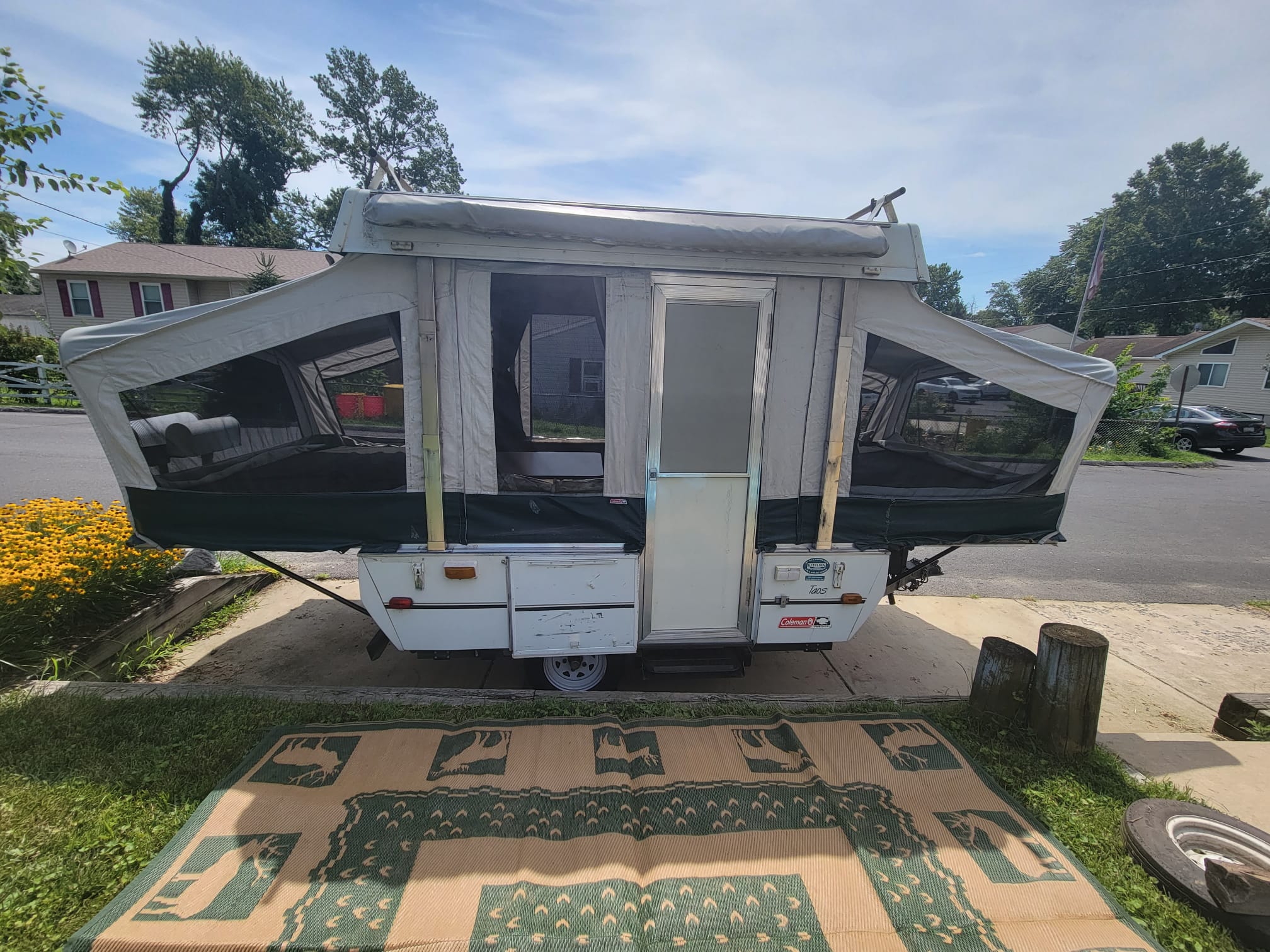
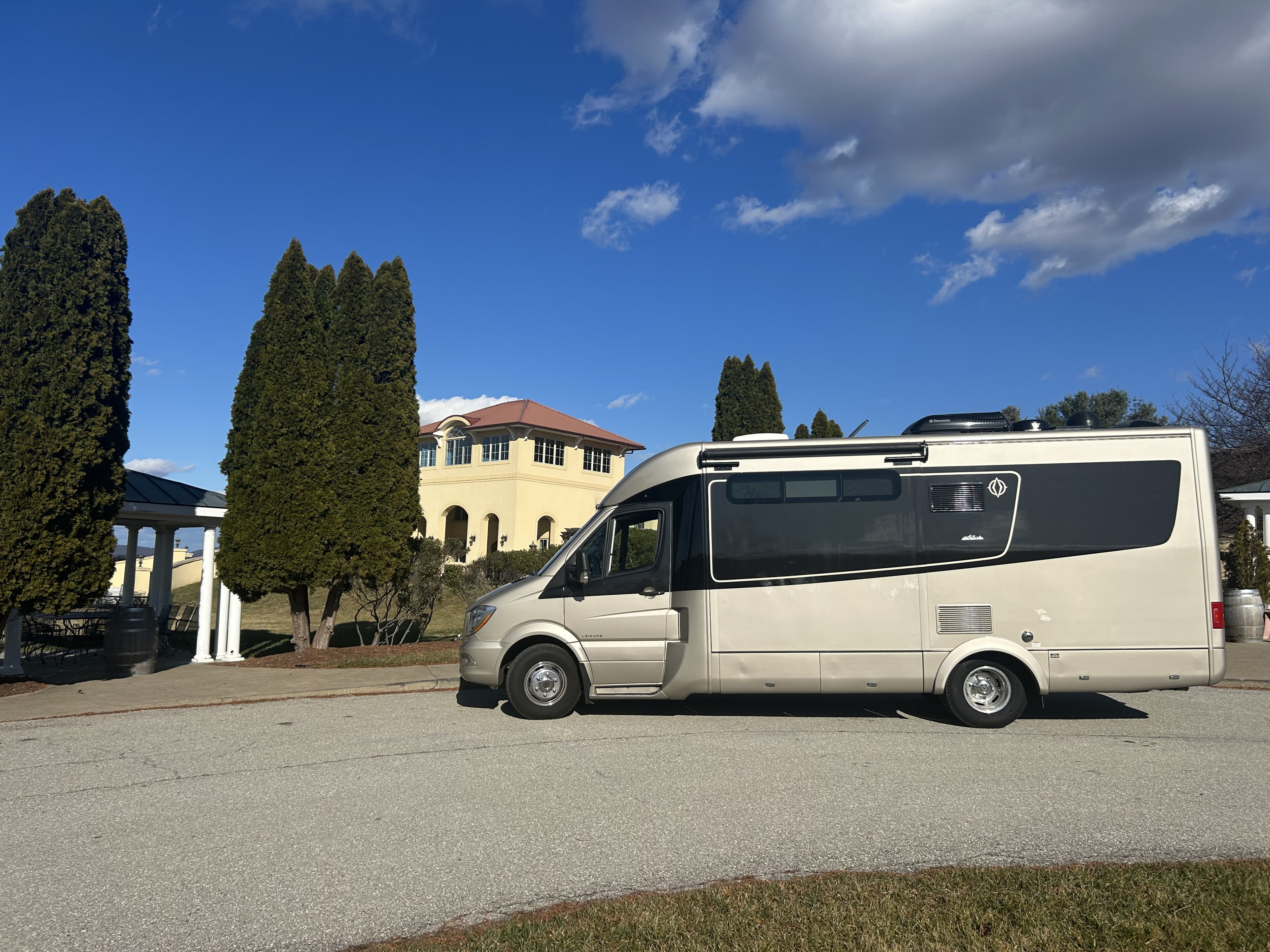
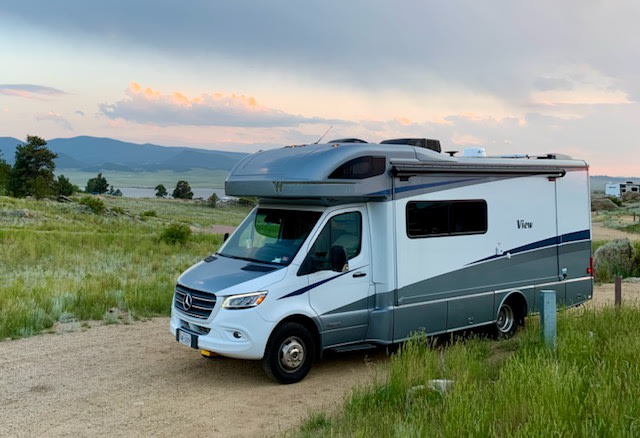
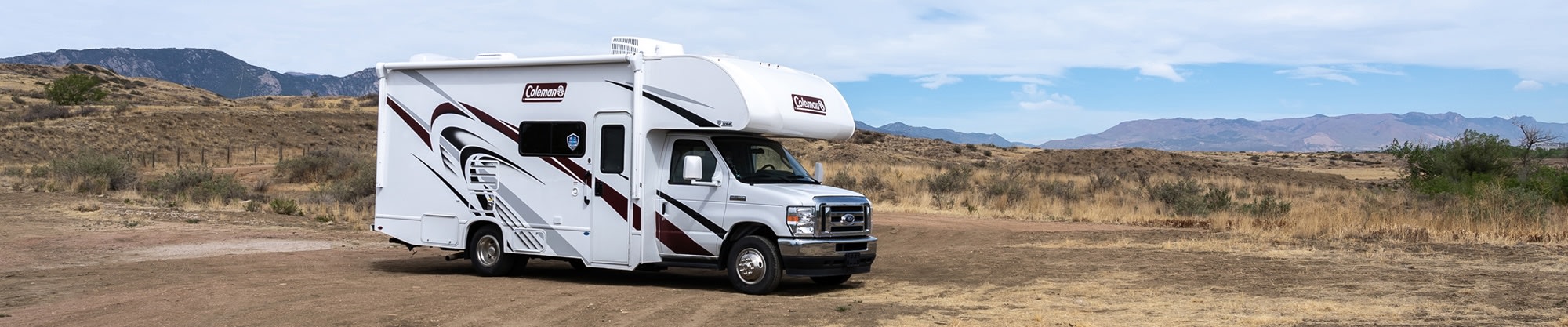
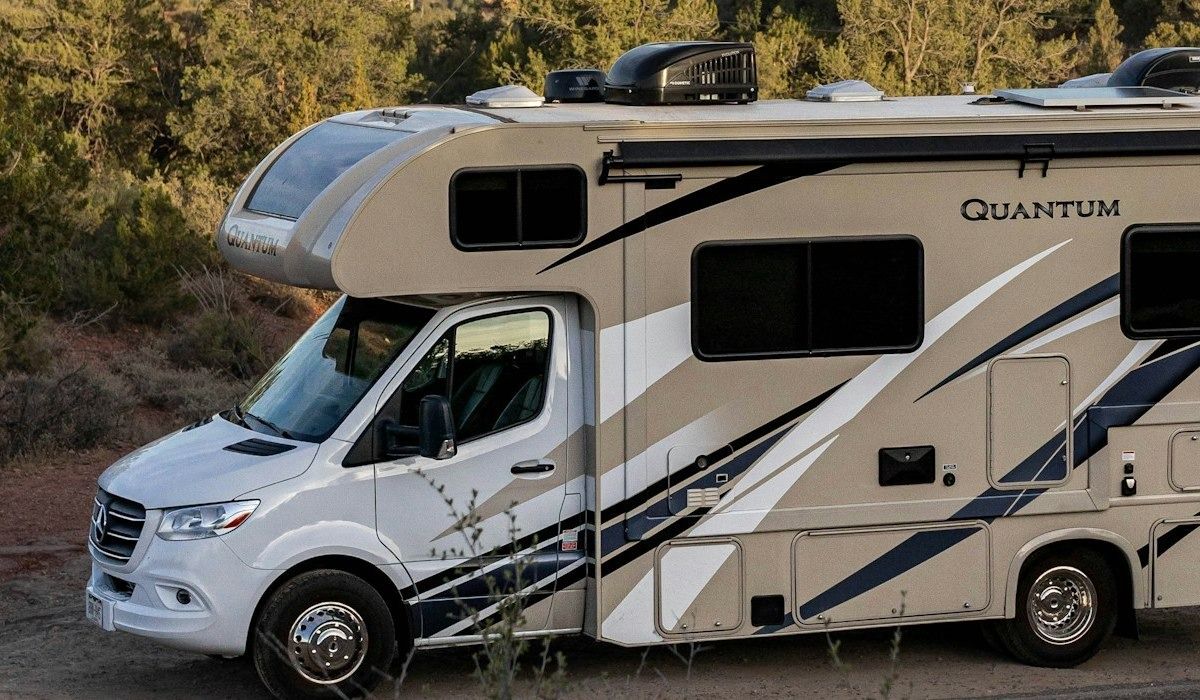
- RV sweet spot: 25–30 foot Class C — fits every major campground, sleeps a family of four to five, and handles Yosemite's mountain roads
- Zero hookups anywhere: Pack a full freshwater tank and plan for dry camping at every Yosemite campground
- Pickup cities: Sacramento (2.5 hours west) or San Francisco (4 hours west)
Which Yosemite campgrounds are best for families with RVs?
Yosemite has 13 campgrounds, but only about half are practical for RVs — and fewer still are great for families. Here's the breakdown by region, filtered for campgrounds that accept RVs and offer family-friendly access to activities.
Yosemite Valley campgrounds (best for families)
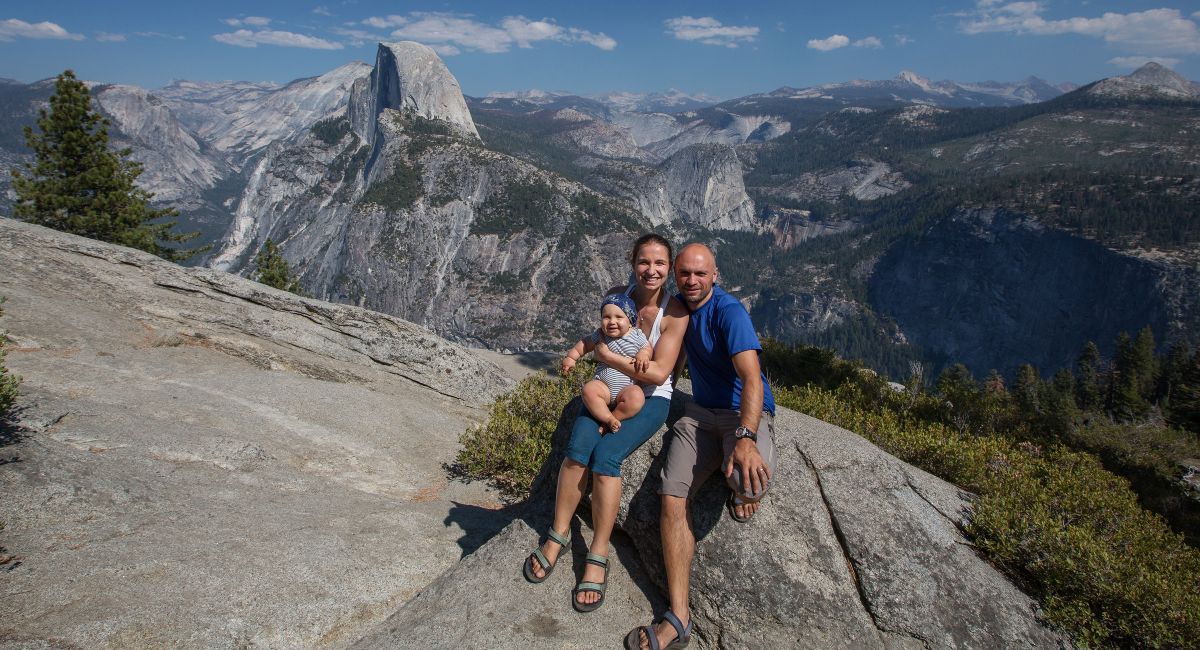
The Valley puts you closest to Yosemite's iconic views and most of the kid-friendly trails. All three RV-accessible Valley campgrounds sit at 4,000 feet elevation, a short walk or shuttle ride from Half Dome views, Yosemite Falls, and the Valley bike path.
Upper Pines is the top pick for families with RVs — and the largest campground in the Valley at 236 sites. It takes RVs up to 35 feet and trailers up to 24 feet, runs $36/night, stays open year-round, and books up to 5 months in advance. It also has the park's primary dump station (also year-round). It's a flat walk to the Happy Isles trailhead, the Valley shuttle stops, and the Mirror Lake loop — all excellent for kids.
Lower Pines accepts the longest RVs in the Valley — up to 40 feet, with trailers to 35 feet — across 74 sites at $36/night. It's open April 21 through October 19 and books 5 months ahead. It sits along the Merced River, which kids love wading in during summer.
North Pines also accepts 40-foot RVs (trailers to 35 feet) across 81 sites at $36/night, open April 21 through October 26. Reservations run 5 months ahead, and some sites enter a lottery system, so getting a spot can be unpredictable. It borders the Merced River.
South of Yosemite Valley
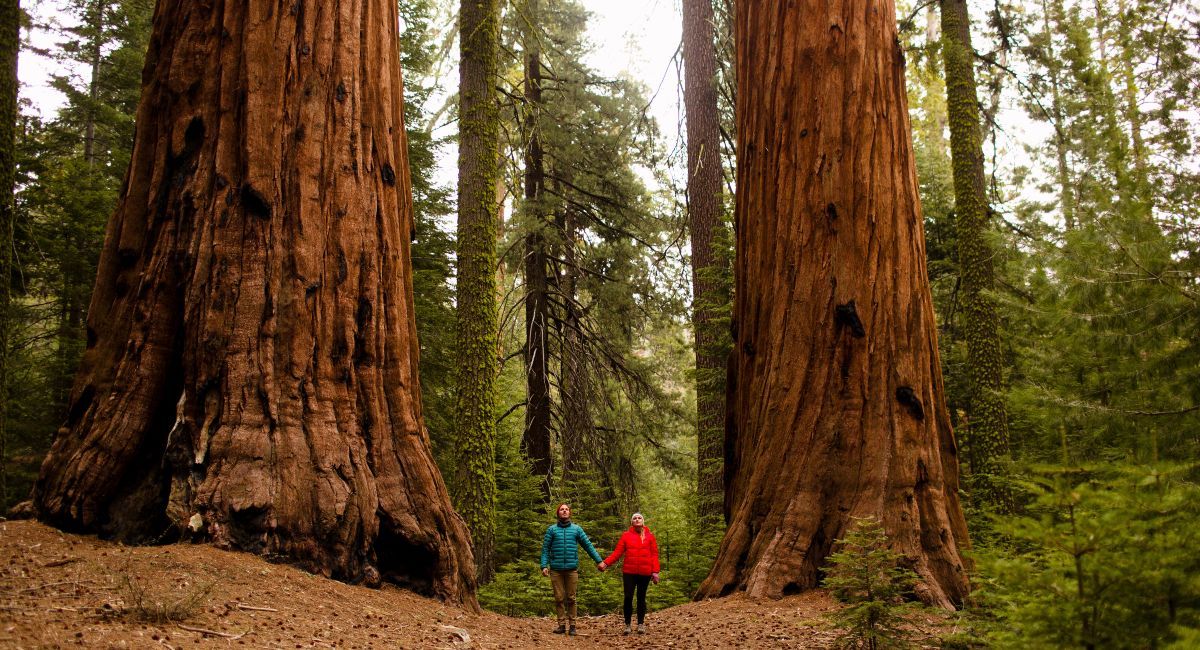
Wawona is the gateway to Mariposa Grove — the park's largest giant sequoia grove. Its 95 sites take RVs and trailers up to 35 feet at $36/night, open year-round and reservable 5 months ahead. For families, walking among 500+ giant sequoias is a top-tier experience. Wawona has a summer-only dump station and sits at 4,000 feet, so temperatures stay moderate. The campground is about 45 minutes from Yosemite Valley by car.
Bridalveil Creek sits at 7,200 feet and opens for a short summer window — July 3 through September 7. Its 110 sites take RVs up to 35 feet and trailers to 24 feet at $36/night, with a shorter 2-week reservation window. It's quieter than Valley campgrounds but farther from the main family attractions.
North of Yosemite Valley (Tioga Road corridor)
Hodgdon Meadow is the first campground inside the Big Oak Flat entrance — handy if you're arriving from Sacramento or San Francisco. It's open year-round, has 100 sites, and takes 35-foot RVs (trailers to 30 feet) at $36/night. It puts you near the Tuolumne Grove of giant sequoias (a 2.5-mile round-trip hike that kids handle well).
Crane Flat is larger — 148 sites — and closer to the Valley than Hodgdon, with the same 35-foot RV limit and trailers up to 35 feet, at $36/night, open May 21 through October 12. It's a solid middle ground between Valley crowds and Tioga Road solitude.
White Wolf is the smallest and most size-limited of the corridor's RV campgrounds: 68 sites, a 27-foot RV cap (trailers to 24 feet), and $28/night — the cheapest in the park — open July 2 through September 14.
Tuolumne Meadows is the largest campground in the park (289 sites) and sits at 8,600 feet, taking RVs up to 35 feet and trailers to 24 feet at $36/night. The meadow itself is flat, open, and perfect for kids who want to explore without steep terrain. It has a summer dump station. The downside: Tioga Road typically opens in late June and closes with the first significant snow, so the season is short — roughly July 1 through September 27.
What are the RV size limits at Yosemite?
Every Yosemite campground that accepts RVs has a posted maximum length — and they vary more than you'd expect.
The key numbers: The 40-foot maximum applies at just two campgrounds, Lower Pines and North Pines. A 35-foot cap covers most of the park — Upper Pines, Wawona, Bridalveil Creek, Hodgdon Meadow, Crane Flat, and Tuolumne Meadows. White Wolf drops to 27 feet, and Porcupine Flat allows RVs up to 24 feet in 4 designated sites only.
Road restrictions that matter:
- Glacier Point Road: Only RVs 30 feet and shorter are allowed past Sentinel Dome or at Glacier Point. Families often want to visit Glacier Point for the Valley panorama — if your rig is over 30 feet, you'll need to drive a tow vehicle or take the shuttle.
- Tioga Road (SR 120): No posted RV length limit, but the road is winding with tight curves at higher elevations. RVs over 35 feet will find it stressful.
- Hetch Hetchy Road: Restrictions apply that affect some RVs and most trailers.
In our experience, families booking a Yosemite RV trip underestimate how much the size limits vary between campgrounds. A 38-foot Class A works at Lower Pines but won't fit at Upper Pines — and Upper Pines is the better family campground. That's why we recommend sizing down.
What kid-friendly hikes and activities are near each campground?
One of Yosemite's strengths for families is that the best kid activities cluster near the best RV campgrounds. Here's what's accessible from each area.
From Valley campgrounds (Upper Pines, Lower Pines, North Pines)
- Mirror Lake Loop (5 miles, flat) — easy walk or bike ride along a paved path. Kids love the reflection of Half Dome in the water (best in spring when the lake is full).
- Lower Yosemite Falls Trail (1 mile, paved) — wheelchair and stroller accessible. The mist from the base of the falls is a highlight for kids on hot summer days.
- Valley Bike Path (12 miles of paved bike paths) — rent bikes at Yosemite Valley Lodge or Curry Village. Flat terrain, no cars, views of El Capitan and Cathedral Rocks.
- Yosemite Valley Shuttle — free, runs year-round, stops at every major trailhead and attraction. No need to move the RV once you're parked at camp.
- Junior Ranger Program — pick up a free activity booklet at the Yosemite Valley Visitor Center. Kids complete activities throughout the park and earn a badge. One of the best NPS Junior Ranger programs in the system.
- Curry Village — swimming pool (summer), pizza, ice cream, bike rentals. Walking distance from Upper and Lower Pines.
From Wawona
- Mariposa Grove (up to 7 miles of trails) — the Grizzly Giant loop (2 miles, moderate) is the family favorite. Kids can stand next to a 1,800-year-old sequoia with a 30-foot base diameter. The grove shuttle runs from Wawona in summer.
- Wawona Meadow Loop (3.5 miles, flat) — easy loop through a wildflower meadow. Stroller-friendly in most seasons.
- Swinging Bridge — kids swim in the South Fork of the Merced River at Wawona in summer.
From Hodgdon Meadow / Crane Flat
- Tuolumne Grove (2.5 miles round trip, moderate) — a smaller sequoia grove with fewer crowds than Mariposa. The trail descends to the grove, so the walk back up is the hard part — manageable for kids 5 and older.
- Merced Grove (3 miles round trip, moderate) — the quietest sequoia grove in the park. No shuttle, fewer visitors, feels like a family adventure.
From Tuolumne Meadows
- Tuolumne Meadows Loop (flat, variable distance) — families can walk as far as they want across the largest subalpine meadow in the Sierra Nevada. The Tuolumne River runs through it. Wildflowers peak in July.
- Soda Springs (1.5 miles round trip, flat) — naturally carbonated mineral springs that kids find fascinating. Easy, flat walk from the Tuolumne Meadows parking area.
- Lembert Dome (2.8 miles, moderate) — older kids who like scrambling will enjoy the granite slope to the top. Panoramic views of the meadows from the summit.
What do families need to know about dry camping at Yosemite?
This is the single most important planning detail for an RV trip to Yosemite: no campsite in the park has hookups of any kind. No electric, no water, no sewer. Every campground is dry camping.
The pattern we see from families renting for Yosemite: a Class C in the 25–30 foot range hits the sweet spot — enough sleeping space for kids without exceeding campground length limits, and manageable freshwater tank capacity for 3–4 days of dry camping.
Dump stations: Yosemite has three, all seasonal except one:
- Upper Pines — year-round (the only year-round dump station in the park)
- Wawona — summer only
- Tuolumne Meadows — summer only
If you're camping at a campground without a nearby dump station, plan to drive to Upper Pines mid-trip.
Water management: Hosts who list RVs near Sacramento and San Francisco tell us Yosemite families often underpack on water — with no hookups, you're running on your freshwater tank the entire stay. A family of four uses 20–30 gallons per day with conservative use. Most Class C RVs carry 30–50 gallons. That gives you 1–2 days before you need to refill. Potable water is available at most campgrounds with tap water.
Generator rules: Campfires are allowed only from 5 p.m. to 10 p.m. in Valley campgrounds and Hodgdon Meadow. Generators are prohibited at some campgrounds — check the posted rules at your specific site. Bring battery banks, portable solar panels, or a generator-independent setup for charging devices.
Showers: Yosemite campgrounds don't have shower facilities. The closest option is the pool area at Curry Village (fee required, summer only). Outside the park, some private RV parks and lodges near El Portal and Mariposa offer shower access.
Groceries and supplies: The Yosemite Village Store (year-round) carries basics — milk, bread, ice, firewood, camping supplies. Prices are park-level. For a full grocery run, Mariposa (45 minutes west) or Oakhurst (45 minutes south) have regular supermarkets.
Where should families rent an RV for Yosemite?
Sacramento is the closest major rental hub — about 2.5 hours from the Big Oak Flat entrance (Highway 120 west) or 3 hours from the Arch Rock entrance (Highway 140). San Francisco is about 4 hours from the park via Highway 120.
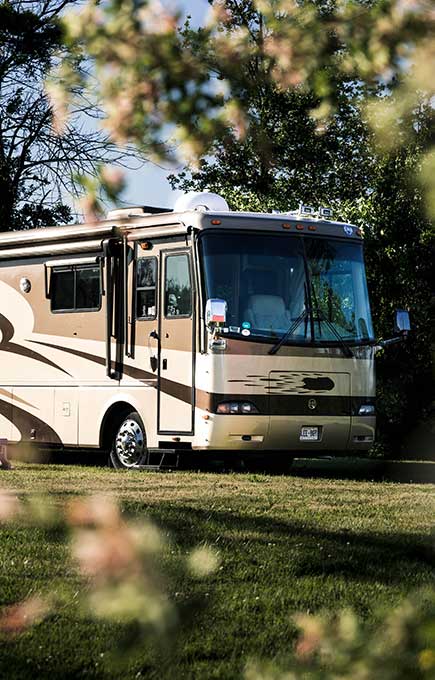
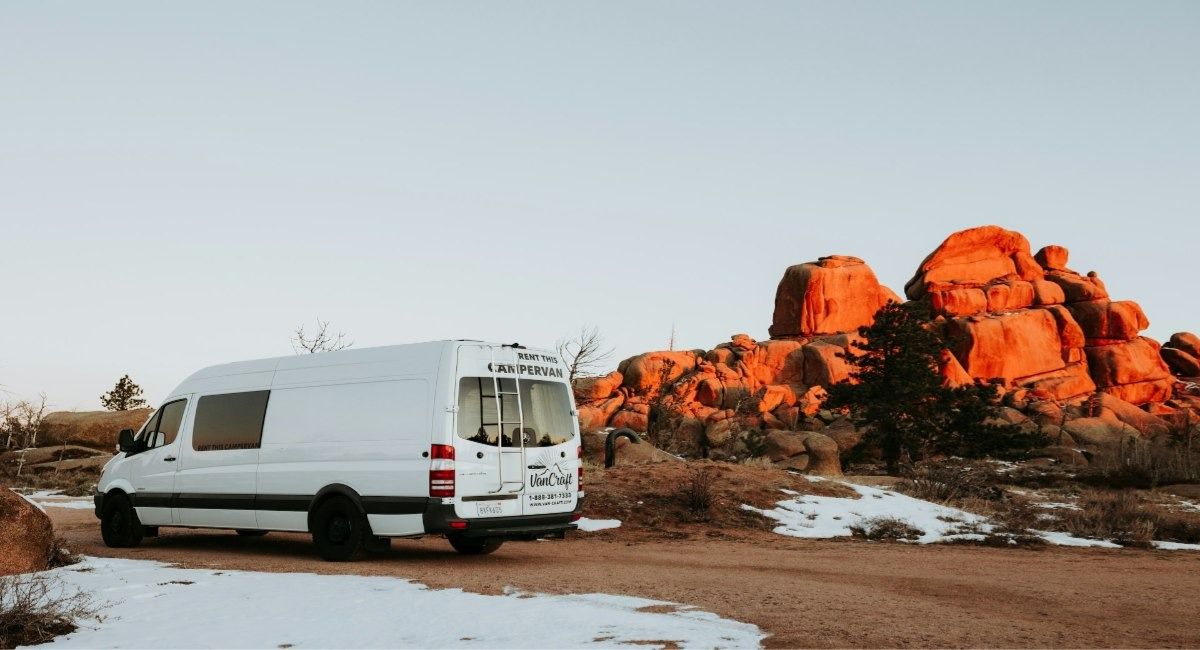
Size recommendation: A Class B campervan works for a couple with one young child, but most families need the sleeping and storage space of a Class C. We recommend 25–30 feet — it fits every campground in the park (35-foot max at the most popular sites), handles the mountain roads comfortably, and has enough freshwater tank capacity for 2–3 days of dry camping.
Avoid Class A motorhomes for Yosemite family trips. Most exceed 35 feet and are limited to Lower Pines and North Pines only. The mountain roads — especially Glacier Point Road and Tioga Road — are stressful in anything over 35 feet.
For a week-long Yosemite family trip, expect RV rental costs between $150 and $300 per night depending on vehicle type and season. Check current RV rental pricing for detailed breakdowns.
When is the best time for a family RV trip to Yosemite?
Late May through mid-June is the family sweet spot — and here's why.
Spring (April–May): Waterfalls are at peak flow from snowmelt. Yosemite Falls, Bridalveil Fall, and Vernal Fall are thundering. Valley temperatures are comfortable (60s–70s). Upper Pines is open year-round; Lower and North Pines open in late April. We've heard from renters that the biggest surprise at Yosemite isn't the scenery — it's how quickly campground reservations disappear, especially for Valley sites. Set a calendar reminder for 5 months before your target dates and book the moment the window opens.
Summer (June–August): Peak season. Valley temperatures hit 90–100°F. Tioga Road and high-elevation campgrounds (Tuolumne Meadows, White Wolf, Crane Flat) open as snow clears — typically late June. Waterfalls begin drying up by August. Crowds are heavy. The free Valley shuttle helps families avoid the parking nightmare.
Fall (September–October): Crowds thin dramatically after Labor Day. Temperatures cool to the 70s–80s. Most waterfalls are dry or reduced to a trickle. Tioga Road campgrounds close mid-October. Valley campgrounds remain open. Fall color in the Valley — black oaks turning gold against granite — is underrated.
Winter (November–March): Only Upper Pines and Hodgdon Meadow are open year-round. Valley temperatures are mild (40s–50s daytime) but overnight lows drop into the 20s. Tioga Road closes. The Valley is quieter than any other season. Families with cold-weather RV setups get a rare uncrowded Yosemite experience — but this is advanced-level family RV camping.
About this guide
This guide draws on National Park Service campground data for Yosemite, the NPS Yosemite RV planning page, and Recreation.gov's Yosemite gateway listing for reservation details and campground availability. Kid-friendly trail recommendations reference AllTrails Yosemite family trails data and NPS Junior Ranger program information. Campground fees, site counts, RV length limits, and season dates were verified as of August 2026. RV rental market observations come from Outdoorsy's booking data across Sacramento and San Francisco.